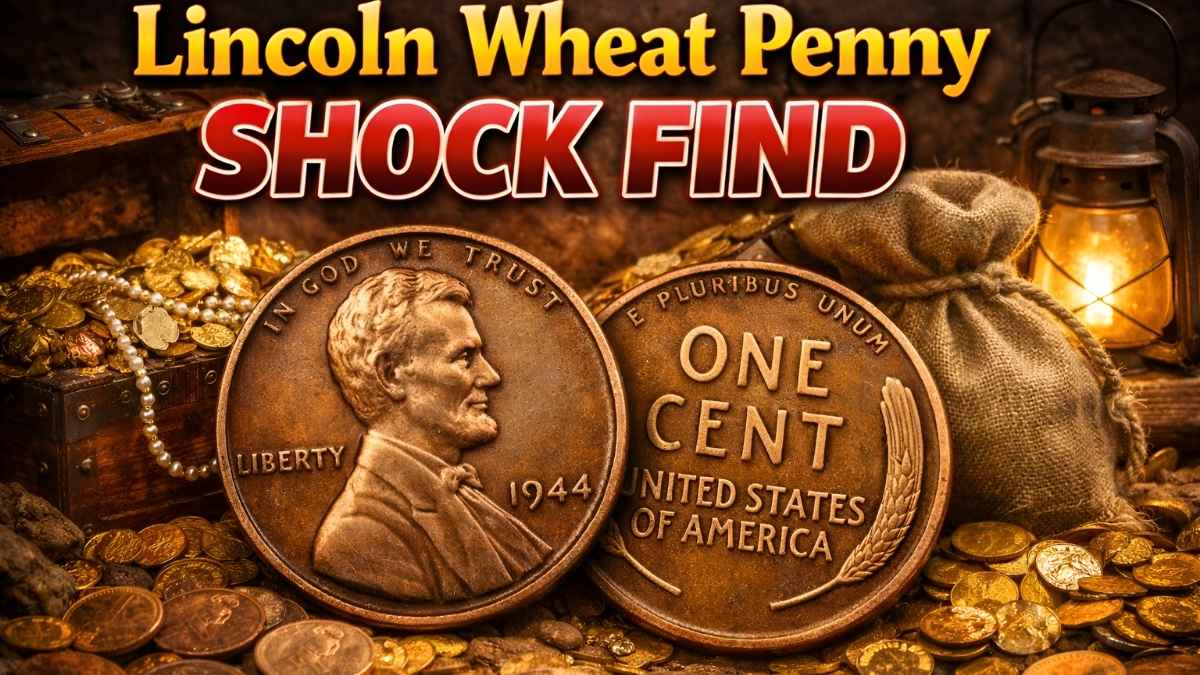
Lincoln Wheat Penny Shock Find: The Lincoln Wheat Penny is one of the most iconic coins in American numismatic history. Minted from 1909 to 1958, it carries the image of Abraham Lincoln on the obverse and two wheat stalks on the reverse. While millions were produced, certain rare varieties have become legendary. The exaggerated claim that one of these pennies could be worth $220 million has captured the imagination of collectors and dreamers alike. Even though the real value is far lower, the myth continues to inspire curiosity and excitement.
The Origins of the Lincoln Wheat Penny
The Lincoln Wheat Penny was introduced in 1909 to commemorate the centennial of Abraham Lincoln’s birth. Designed by Victor David Brenner, it was the first regular‑issue coin in the United States to feature a real person rather than a symbolic figure. The coin’s reverse design, with two wheat stalks, gave it its nickname. Over the decades, the penny became a staple of American currency, but certain minting errors and limited runs turned specific editions into highly sought‑after treasures.

Why Some Wheat Pennies Are Rare
Not all Lincoln Wheat Pennies are valuable, but some editions stand out. Coins minted in San Francisco with the “S” mark, especially the 1909‑S VDB penny, are considered rare because of their limited production. Other pennies became valuable due to minting mistakes, such as doubled dies or missing details. These errors created unique coins that collectors prize. The rarity of these coins is what drives their value, and stories of extraordinary prices fuel the imagination of those who dream of finding one in their pocket change.
The Myth of the $220M Penny
The idea that a Lincoln Wheat Penny could be worth $220 million is more fantasy than fact. In reality, even the rarest pennies have sold for thousands or sometimes hundreds of thousands of dollars, not hundreds of millions. However, the myth persists because people love the idea of a small coin holding unimaginable wealth. It is a story that blends history, rarity, and the thrill of discovery. The exaggerated figure makes headlines and sparks curiosity, encouraging more people to learn about coin collecting.

Famous Discoveries and Auction Stories
Over the years, collectors have uncovered rare Lincoln Wheat Pennies in surprising places. Some were found in old jars, tucked away in attics, or hidden in family collections. Auction houses have sold rare pennies for impressive sums, with certain coins fetching tens of thousands of dollars. These stories inspire everyday people to check their own collections, hoping to stumble upon a hidden fortune. While no penny has ever reached the mythical $220 million mark, the excitement of discovery is priceless.
The Role of Coin Collecting in American Culture
Coin collecting has long been a popular hobby in the United States. It connects people to history and provides a tangible link to the past. Collectors often begin with simple finds, such as pennies or nickels, and gradually build their knowledge and collections. The Lincoln Wheat Penny is often a starting point for new collectors because it is widely recognized and has a fascinating history. The exaggerated tales of million‑dollar values add a sense of adventure to the hobby, making it more appealing to newcomers.

How to Identify Valuable Wheat Pennies
For those interested in searching for rare coins, it is important to know what to look for. Key dates such as 1909‑S VDB, 1914‑D, and 1922 no‑D are among the most valuable. Mint marks, die errors, and the condition of the coin also play a significant role in determining value. Coins in pristine condition, known as “uncirculated,” are worth far more than those that show heavy wear. Collectors often use magnifying glasses to spot tiny details that could indicate rarity. Learning these skills can turn a casual hobby into a serious pursuit.
The Thrill of the Hunt
Part of the appeal of coin collecting is the thrill of the hunt. Every coin examined carries the possibility of being rare and valuable. Even though the odds of finding a penny worth millions are slim, the excitement keeps collectors engaged. The exaggerated stories of a $220 million penny add fuel to this passion, making the search feel like a treasure hunt. For many, the joy comes not from the monetary value but from the connection to history and the satisfaction of discovery.

The Reality Behind the Headlines
While headlines may claim that a Lincoln Wheat Penny is worth $220 million, the truth is more modest. Rare pennies can indeed be valuable, but their worth is grounded in historical significance, rarity, and collector demand. The exaggerated figures serve as attention‑grabbing hooks, but they should not be mistaken for reality. Still, the myth plays an important role in keeping the hobby alive and inspiring new generations to explore the world of numismatics.
Conclusion
The Lincoln Wheat Penny remains one of the most iconic coins in American history. Its design, rarity, and cultural significance make it a favorite among collectors. The myth of a $220 million penny may be exaggerated, but it reflects the excitement and imagination that coin collecting inspires. Whether found in an old jar or purchased at an auction, each penny carries a story worth telling. For collectors and dreamers alike, the Lincoln Wheat Penny represents the possibility that a small piece of history could change your life overnight.