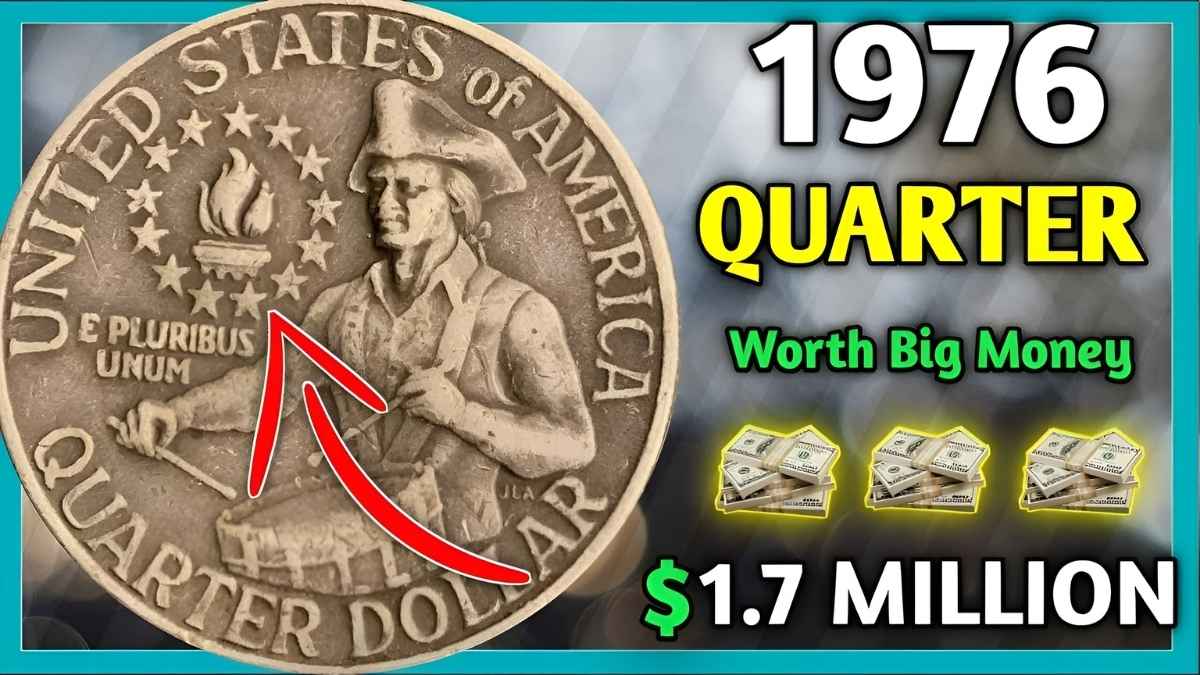
Bicentennial Quarter Error Guide: The Bicentennial quarter, minted in 1976 to celebrate the 200th anniversary of American independence, remains one of the most recognizable coins in U.S. history. With its dual date “1776–1976” and colonial drummer design, it quickly became a favorite among collectors. While most examples are common, certain error varieties and rare issues can be worth far more than their face value. In 2026, these coins continue to attract attention, with collectors eager to identify hidden treasures.
The Story Behind the Bicentennial Quarter
The Bicentennial quarter was part of a larger commemorative coin program that included half dollars and dollars. Designed by Jack L. Ahr, the reverse features a colonial drummer and a torch surrounded by thirteen stars, symbolizing the original colonies. Unlike standard quarters, these coins were struck with the dual date, making them instantly recognizable and historically significant.

Why Error Coins Are Valuable
Error coins are prized because they represent anomalies in the minting process. These mistakes are often rare, making them highly desirable to collectors. The combination of scarcity and demand drives values upward, especially for coins in high grades. Bicentennial quarters with errors are particularly appealing because they combine historical importance with numismatic rarity.
Common Bicentennial Quarter Errors
Several types of errors are associated with Bicentennial quarters:

- Double Die Errors: Doubling on inscriptions or design elements, especially noticeable on lettering or the drummer’s details.
- Off‑Center Strikes: Coins struck with the design shifted away from the center, creating unusual appearances.
- Clipped Planchets: Coins missing a portion of their edge due to misfed blanks.
- Die Cracks and Cuds: Raised lines or blobs caused by damaged dies, adding unique character to the coin.
- Wrong Planchet Strikes: Rare cases where a quarter design was struck on a blank intended for another denomination.
Silver Bicentennial Quarters
In addition to standard copper‑nickel issues, the U.S. Mint produced special silver Bicentennial quarters for collectors. These coins, struck in 40 percent silver, are scarcer and more desirable. High‑grade silver proofs remain especially valuable in 2026, with prices reflecting both their metal content and collector demand.
Condition and Grading
The condition of a Bicentennial quarter plays a crucial role in determining its worth. Coins graded as mint state or proof by professional services can command significant premiums. Collectors look for sharp details, strong luster, and minimal wear. Even common issues can become valuable if preserved in pristine condition.

Historical Price Trends
Over the decades, Bicentennial quarters have steadily appreciated in value. Initially collected for sentimental reasons, their rarity and silver content have driven long‑term growth. Auction records show that rare varieties and high‑grade examples have sold for hundreds or even thousands, reflecting their enduring desirability.
Market Trends in 2026
The market for Bicentennial quarters remains strong in 2026. Online marketplaces and auction houses frequently feature rare examples, with bidding reflecting their popularity. Younger collectors are increasingly drawn to these coins, ensuring continued demand and appreciation in value.

Everyday Change With Hidden Value
Although Bicentennial quarters are no longer minted, they still appear occasionally in circulation or old collections. Discovering a rare variety or silver issue among them can be a thrilling experience, turning an ordinary coin into a hidden treasure.
Tips for Collectors
Collectors should pay close attention to mint marks, strike quality, and overall condition when evaluating Bicentennial quarters. Proper storage is essential to preserve value, as tarnish and wear can diminish a coin’s worth. Consulting grading services and reputable dealers can help identify valuable varieties and ensure authenticity.

Conclusion
The Bicentennial quarter is more than a commemorative coin. It is a piece of American history and, in rare cases, a hidden fortune. Rare varieties, silver issues, and high‑grade examples make these coins valuable additions to any collection. In 2026, they continue to capture the imagination of collectors, proving that even everyday change can hold extraordinary treasures.