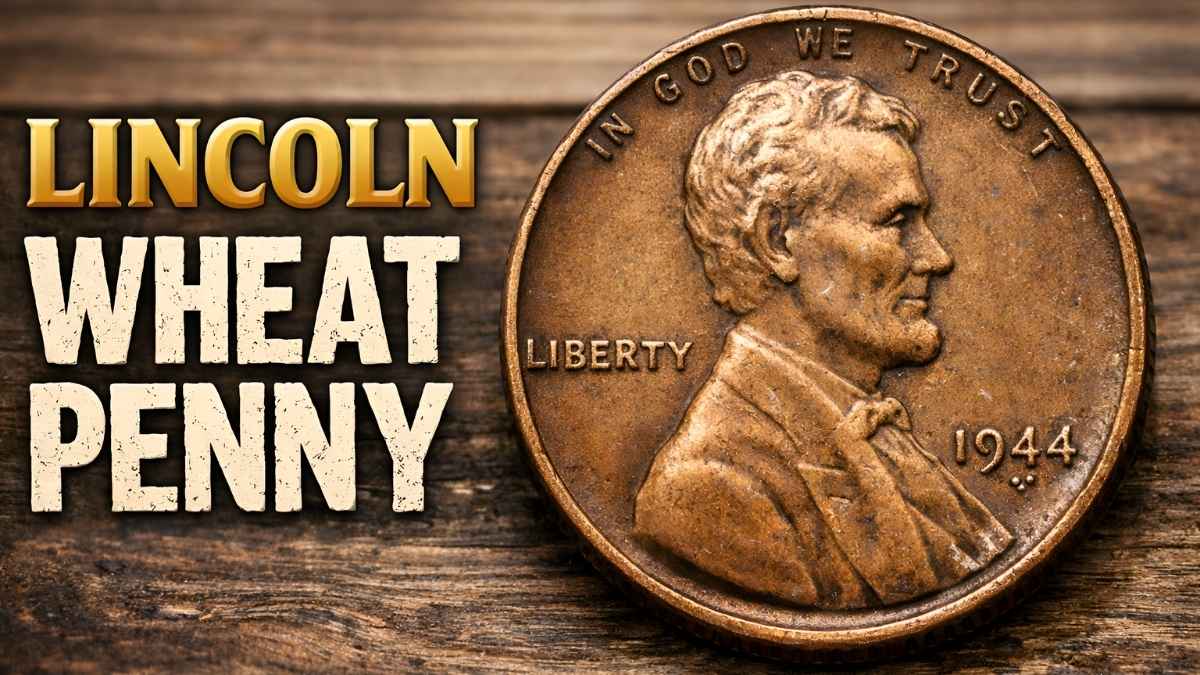
Lincoln Wheat Penny: The Lincoln Wheat penny is one of the most iconic coins in American numismatics. First minted in 1909 to honor the centennial of Abraham Lincoln’s birth, it quickly became a staple of everyday commerce and a favorite among collectors. While most Wheat pennies are common and circulate at face value, certain rare dates, mintmarks, and error varieties have achieved legendary status, commanding thousands of dollars at auction. This guide explores the value of rare Wheat pennies and their enduring legacy in American coin collecting.
The Origins of the Lincoln Wheat Penny
The Lincoln Wheat penny was designed by Victor David Brenner and introduced in 1909. It was the first U.S. coin to feature a real person rather than a symbolic figure, marking a significant shift in American coinage. The reverse design featured two wheat stalks, symbolizing prosperity and unity, which gave the coin its popular nickname.
Why Wheat Pennies Are Valuable
Several factors contribute to the value of Wheat pennies:
- Rarity: Certain mint years and mintmarks had limited production.
- Condition: Coins in uncirculated or proof condition command higher prices.
- Errors and Varieties: Doubled dies, off-center strikes, and other anomalies are highly collectible.
- Historical Significance: Early issues and coins tied to special events carry added value.
Rare and Valuable Wheat Pennies
Some Wheat pennies stand out as exceptionally valuable:
- 1909-S VDB: The San Francisco mint produced a limited number of pennies with Brenner’s initials “VDB” on the reverse. This coin is one of the most famous rarities.
- 1914-D: With a low mintage from the Denver mint, this coin is highly sought after in high grades.
- 1922 No D: A variety struck in Denver without the “D” mintmark, making it a unique rarity.
- 1931-S: Another low-mintage coin from San Francisco, prized by collectors.
- 1943 Copper Penny: During World War II, pennies were struck in steel to conserve copper. A few copper planchets were mistakenly used, creating one of the most valuable error coins in U.S. history.
- 1955 Doubled Die Obverse: Known for its dramatic doubling on the date and lettering, this coin is a legendary error variety.
The Role of Condition and Grading
Professional grading services such as PCGS and NGC play a crucial role in determining the value of Wheat pennies. Coins certified at Mint State (MS) levels or with Red coloration (indicating original mint luster) can command exponentially higher prices. Even common dates can become valuable when preserved in pristine condition.
Collecting Strategies
For those interested in Wheat pennies, consider these approaches:
- Focus on key dates and mintmarks.
- Search coin rolls and collections for hidden rarities.
- Prioritize coins graded by professional services to ensure authenticity.
- Explore error varieties that add uniqueness to a collection.
Investment Potential
Lincoln Wheat pennies offer both numismatic and historical value. While most examples are affordable, rare varieties can appreciate significantly over time. The combination of rarity, condition, and collector demand makes them a unique investment opportunity.
Cultural Significance
Beyond their monetary value, Wheat pennies hold deep cultural meaning. They symbolize America’s agricultural heritage and commemorate one of the nation’s most revered presidents. Collectors often view these coins not only as investments but also as tangible connections to history.
Conclusion
The Lincoln Wheat penny remains a cornerstone of American numismatics. Rare varieties such as the 1909-S VDB, 1914-D, and 1943 copper penny have achieved legendary status, bringing huge profits to collectors. For enthusiasts, the pursuit of these treasures is both financially rewarding and historically enriching. The legacy of the Wheat penny endures as a reminder of America’s past, blending artistry, history, and value in a single coin.