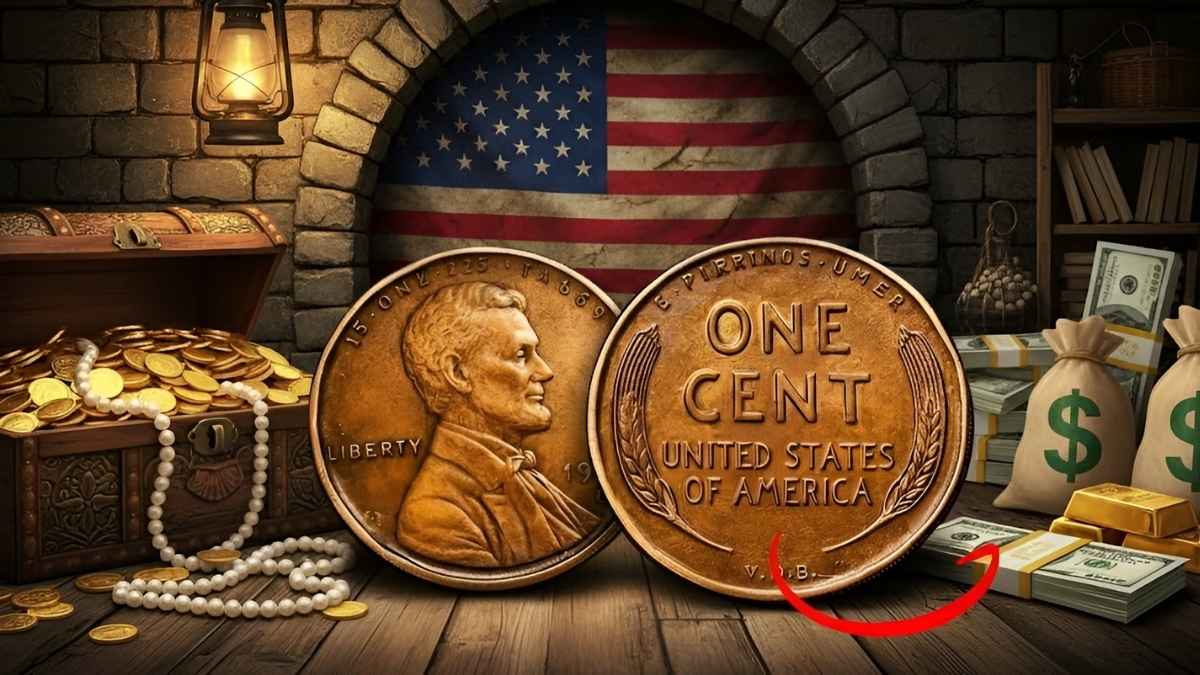
Lincoln Wheat Penny History and Value Guide: The Lincoln Wheat penny, first minted in 1909, is one of the most beloved coins in American numismatic history. Known for its iconic design featuring Abraham Lincoln on the obverse and wheat stalks on the reverse, it represents both a tribute to a great president and a symbol of early twentieth-century coinage. Collectors continue to seek out Wheat pennies for their historical significance, rarity, and potential value.
Origins of the Lincoln Wheat Penny
The Lincoln Wheat penny was introduced to commemorate the centennial of Abraham Lincoln’s birth. Designed by Victor David Brenner, it was the first U.S. coin to feature a real person rather than a symbolic figure. The wheat stalks on the reverse symbolized prosperity and unity, making the coin both patriotic and practical.
Key Dates and Rarities
Certain years and mint marks are especially valuable:
- 1909-S VDB: The most famous rarity, with limited production and Brenner’s initials prominently displayed.
- 1914-D: Scarce due to low mintage, highly prized in higher grades.
- 1922 No D: An error variety where the Denver mint mark was accidentally omitted.
- 1931-S: Another low mintage coin, sought after by collectors.
Error Varieties
Error coins add excitement to collecting. Some notable Wheat penny errors include:
- Double die obverse with doubled lettering or numbers.
- Off-center strikes leaving blank areas on the coin.
- Clipped planchets where part of the rim is missing.
- Weak strikes resulting in faint details.
Transition to the Lincoln Memorial Penny
In 1959, the Wheat penny design was replaced by the Lincoln Memorial reverse to mark the 150th anniversary of Lincoln’s birth. This transition ended the era of Wheat pennies, making them a distinct collectible series.
Collector Value
The value of a Lincoln Wheat penny depends on several factors:
- Condition: Uncirculated coins with sharp details command higher prices.
- Mint mark: Coins from San Francisco and Denver often carry premiums.
- Rarity: Low mintage years and error varieties are especially valuable.
- Historical significance: Early issues and special varieties hold cultural importance.
Tips for Collectors
- Inspect coins carefully with magnification to identify errors and details.
- Store coins in protective holders to prevent wear and tarnish.
- Consider professional grading for rare or high-value coins.
- Build collections by focusing on key dates and varieties.
Cultural Legacy
The Lincoln Wheat penny is more than a collectible. It represents a turning point in U.S. coinage, where real historical figures replaced allegorical designs. For many Americans, Wheat pennies evoke nostalgia, as they were once common in everyday circulation. Today, they serve as reminders of history, artistry, and the enduring legacy of Abraham Lincoln.
Conclusion
The Lincoln Wheat penny remains one of the most iconic coins in American numismatics. From the rare 1909-S VDB to error varieties like the 1922 No D, these coins continue to captivate collectors. Their historical significance, combined with their potential value, ensures that Wheat pennies will remain treasured for generations. For enthusiasts, collecting them is not only about investment but also about preserving a piece of American heritage.