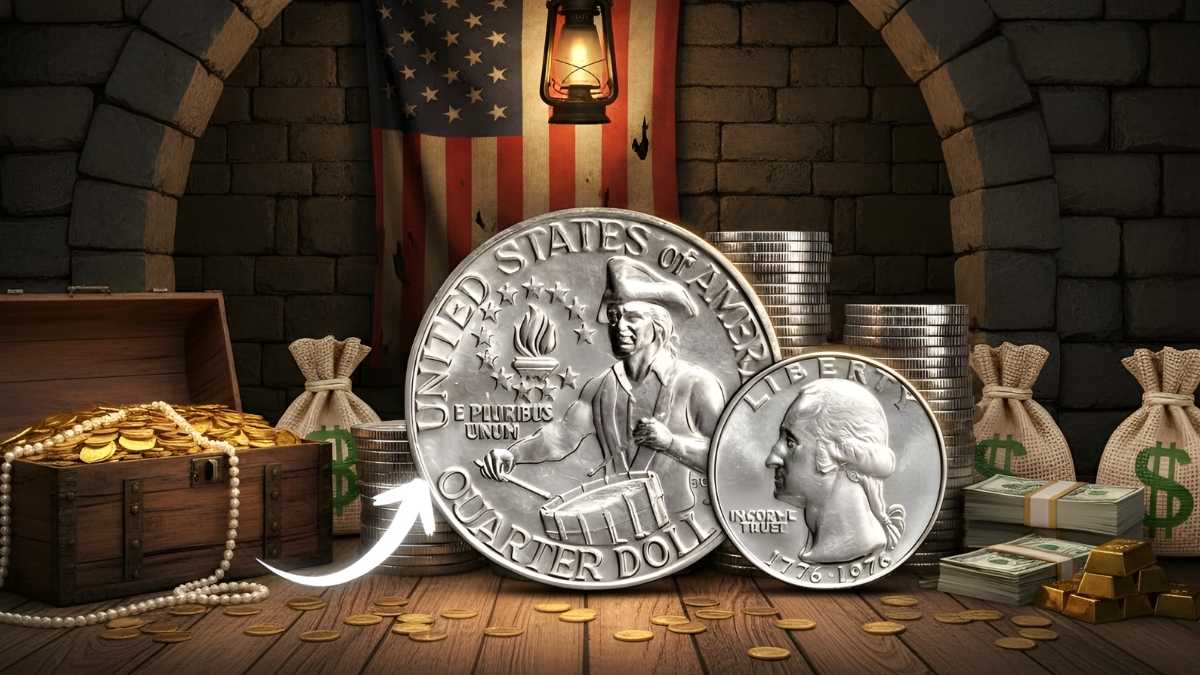
Rare Coin Discovery: In 1976, the United States celebrated its bicentennial, marking 200 years since independence. To honor this milestone, the Mint released special commemorative coins, including the Bicentennial Quarter. Designed by Jack L. Ahr, the reverse features a colonial drummer with a torch and thirteen stars, symbolizing the original colonies. This patriotic design replaced the traditional eagle reverse for that year, making the coin instantly recognizable and historically significant.
Why Bicentennial Quarters Are Collectible
Although millions of Bicentennial Quarters were produced, certain varieties and conditions make them highly valuable. Collectors seek coins with unique minting errors, proof strikes, or pristine preservation. The historical significance of the bicentennial celebration adds to their appeal, ensuring that these coins remain popular among numismatists.
The Rare 7.2 Million Dollar Coin
Among the most talked-about rarities is the Bicentennial Quarter that has been valued at 7.2 million dollars. This coin is believed to be a unique error or special strike that sets it apart from ordinary issues. While most Bicentennial Quarters are worth only face value, rare varieties with unusual features can command extraordinary sums. Stories of such discoveries fuel the excitement of coin collecting, reminding enthusiasts that hidden treasures may still exist.
Auction Records and Market Buzz
Rare Bicentennial Quarters have consistently performed well at auctions. Silver-clad proofs in perfect condition often command strong premiums. Error coins, especially those with dramatic doubling or misstrikes, generate excitement and bidding wars. The buzz surrounding these coins reflects both their rarity and their connection to America’s bicentennial celebration.
How to Identify Valuable Bicentennial Quarters
Collectors can use practical steps to spot potential treasures:
- Check for mint marks such as S for San Francisco proofs.
- Look for silver-clad issues distinguished by their weight and edge coloration.
- Examine for errors like doubling in the lettering or unusual strikes.
- Assess condition under good lighting to evaluate wear and luster.
- Consult grading services for professional certification.
Everyday Change and Hidden Treasures
The idea of discovering a rare Bicentennial Quarter in everyday change continues to inspire collectors. While most examples are common, stories of unexpected finds fuel the passion for searching. Old coin jars, inherited collections, and flea markets often yield surprises. The thrill of discovery keeps the hobby alive, reminding us that treasures can sometimes be hiding in plain sight.
Lessons From Bicentennial Quarters
These coins teach us that value is not only about money but also about history and narrative. Each rare quarter carries a story of America’s bicentennial, a celebration of freedom and heritage. Collectors cherish these stories as much as the coins themselves, making Bicentennial Quarters a lasting part of numismatic culture.
The 2026 Value Guide
As of 2026, the market for Bicentennial Quarters remains strong. Values vary depending on grade and rarity, but the following chart provides a general overview:
| Coin | Key Feature | Approximate Value in 2026 |
|---|---|---|
| 1976 S Proof Quarter | Mirror-like finish | $50–$200 |
| 1976 Silver-Clad Proof | Special collector issue | $200–$500 |
| 1976 Error Quarter | Doubled die or misstrike | $1,000–$5,000 |
| 1976 High-Grade Circulation Coin | Exceptional condition | $20–$100 |
| Unique Rare Variety | Hidden treasure | Up to $7,200,000 |
The Future of Coin Collecting
With technology making authentication easier and global markets expanding, coin collecting continues to evolve. Yet the essence of the hobby remains rooted in passion, history, and discovery. Rare Bicentennial Quarters will inspire new generations, serving as benchmarks for rarity and desirability. Whether found in a collection, at auction, or in the unlikely event of everyday change, they represent the enduring magic of numismatics.