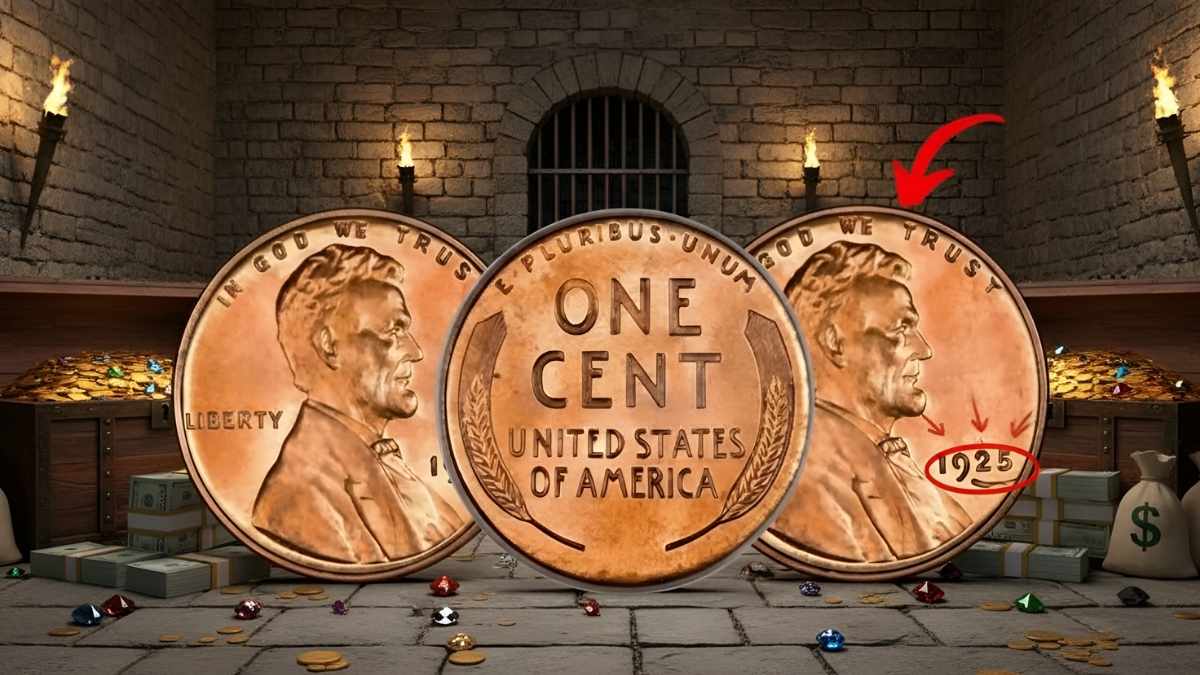
Rare Coin Spotlight: The Lincoln Wheat penny, minted from 1909 to 1958, remains one of the most iconic coins in American numismatics. Its design, featuring Abraham Lincoln on the obverse and two wheat stalks on the reverse, symbolizes both artistry and history. For many collectors, the Wheat penny is the first step into coin collecting, offering accessibility while also presenting opportunities for rare and valuable finds.
Identifying the Wheat Penny
Recognizing a Wheat penny is simple once you know the details. The obverse shows Lincoln’s portrait, while the reverse displays two wheat stalks framing the words “ONE CENT.” The minting years are crucial, as only coins produced between 1909 and 1958 carry the wheat design. Mint marks such as “D” for Denver or “S” for San Francisco, located below the date, can significantly influence rarity and value.
Key Dates and Rarities
Certain Wheat pennies stand out as rare treasures. The 1909-S VDB penny is one of the most famous rarities due to its limited production. Other key dates include the 1914-D and the 1922 no D penny. These coins are highly sought after by collectors and often command high prices in auctions and private sales. Their scarcity makes them essential pieces in any serious collection.
Condition and Grading
Condition plays a major role in determining value. Coins are graded on a scale ranging from poor to mint state. A heavily worn penny may only be worth a few cents, while an uncirculated example can be worth hundreds or even thousands of dollars. Collectors look for sharp details, minimal wear, and original luster when evaluating condition. Understanding grading standards is essential for accurately assessing value.
Market Trends
The market for Wheat pennies has evolved over time. Common dates in circulated condition are plentiful and often sell for modest amounts. However, rare dates and mint marks continue to command strong premiums. In recent years, renewed enthusiasm for vintage American coinage has driven prices upward for key Wheat penny issues, especially in higher grades. Market demand fluctuates with collector interest, economic conditions, and the availability of high-quality examples.
Collector Insights
Collectors often view Wheat pennies as more than just currency. They are historical artifacts that reflect the culture and values of their time. Many collectors enjoy assembling complete sets, organized by year and mint mark. Others focus on acquiring rare varieties or error coins. The pursuit of these goals fosters a deeper appreciation for the artistry and history embedded in each piece. For seasoned numismatists, Wheat pennies represent both nostalgia and investment potential.
Rare Varieties and Errors
Beyond key dates, certain varieties and errors add intrigue to Wheat penny collecting. Double die obverses, repunched mint marks, and off-center strikes are examples of coins that attract attention. These anomalies often increase value significantly, as they represent unique quirks in the minting process. Collectors who specialize in varieties find Wheat pennies particularly rewarding because of the diversity of errors and variations available.
Investment Potential
While coin collecting is often driven by passion, Wheat pennies also offer investment potential. Rare examples in high grades tend to appreciate over time, especially as demand grows. The intrinsic value of copper adds another layer of interest, though the historical and collectible aspects far outweigh metal content in determining value. For investors, Wheat pennies represent a tangible asset that combines history with financial opportunity.
The Joy of Discovery
Part of the enduring charm of Wheat pennies lies in the possibility of discovery. Stories abound of collectors finding rare coins in old jars, inherited collections, or even pocket change. Each discovery reinforces the idea that treasures can still be hidden in everyday places. This sense of adventure keeps collectors engaged and adds excitement to the hobby.
Conclusion
The Lincoln Wheat penny continues to captivate collectors and investors alike. Its historical significance, iconic design, and potential value make it a cornerstone of American numismatics. Market trends show steady interest in rare dates and high-grade examples, while collector insights highlight the joy of building sets and uncovering varieties. Whether pursued for passion or investment, Wheat pennies remain a timeless reminder of the artistry and history embedded in American coinage.